
The question of whether the use of a VPN in the UAE is actually legal has piqued the curiosity of residents and expatriates for years. In 2026, with privacy concerns at an all-time high, the stakes are never higher. You probably want privacy, but the local legal environment is famous for its tough stance on data surveillance, which only adds to the confusion.
If you are trying to navigate the rules to make your VPN legal in the UAE territory, you aren’t alone. Most people just want to protect their data or access services from home while staying in Dubai or Abu Dhabi. However, the country’s cyber laws aren’t exactly light reading and definitely can be confusing.
This guide aims to dispel the myths, clarify the 2026 legal landscape, and explain exactly where the line is drawn so you don’t end up on the wrong side of a massive fine when using a virtual private network in the UAE.
Why would using VPN in UAE be illegal?
The friction surrounding VPN use in the Emirates often boils down to how the local internet is actually built. It’s not just about a list of rules; it’s about a sophisticated filtering system managed by the Telecommunications and Digital Government Regulatory Authority (TDRA).
The state-backed ISPs, Etisalat (e&) and du, operate as gatekeepers, ensuring that all digital activity complies with the strict standards set out in national security and public order mandates. But this isn’t just basic URL filtering. These providers conduct Deep Packet Inspection (DPI) to analyze the metadata of your connection in real time.
When a standard VPN in the UAE is used, that signature can be detected through DPI, and the ISP can instantly flag or throttle that traffic to maintain the TDRA’s prohibited content categories. This technical gatekeeping is the primary reason many residents assume the technology itself is outlawed.
Popular services blocked in the United Arab Emirates
Some popular online services that are currently blocked in the UAE include:
- WhatsApp (voice and video calling): While text messaging, voice notes, and file sharing work perfectly, the actual “Call” button remains disabled on all local networks.
- FaceTime: Apple devices sold within the UAE have FaceTime removed by default, and the service is blocked at the network level for all imported devices.
- Skype (Consumer): Note that Microsoft officially retired the consumer version of Skype in 2025, transitioning users to Microsoft Teams. While the business version of Teams is permitted, Teams (Personal) calling is often restricted or unreliable.
- Snapchat Calling: The core app works for “Snaps” and messaging, but the voice and video call functionality is blocked.
- Facebook Messenger calling: Similar to WhatsApp, the messaging works, but the calling feature is restricted.
- Viber: Both voice and video calls remain on the restricted list.
- Google Duo/Google Meet (Personal): While Google Meet is widely used for business and education, the “personal” calling features are frequently throttled or blocked.
The TDRA states that this is due to these services’ non-compliance with the UAE’s VoIP regulations. Specifically, the VPN UAE law requires voice or video calling services to be offered only by licensed telecommunication providers Etisalat and du.
While these restrictions may seem excessive to some, they are a reality for those living in the United Arab Emirates. As such, many people turn to VPNs as a means of bypassing these censorship measures and accessing blocked content.
Is it legal to use a VPN in the UAE?
The quick answer is yes, using a VPN is legal, but only under regulated circumstances. As per Federal Decree-Law No. 34 of 2021, the use of a VPN is allowed as long as the act does not violate any other laws.
This means that using a VPN for legitimate purposes, such as protecting your online privacy or accessing business systems, is entirely legal. The government previously issued a clarification confirming that companies and individuals face no restrictions when using VPN technology for authorized work. However, the law strictly punishes the use of a “computer network protocol address” like a VPN to commit or conceal a crime.
What is the punishment for using VPN in UAE for illegal activities?
If you cross the line, the VPN fines the UAE issues are some of the steepest in the world. Article 10 of the 2021 Decree-Law raised the bar for penalties significantly to address modern digital threats. If you’re caught using a VPN in the UAE to commit or conceal a crime, here’s the penalty list:
- Fines: Between AED 500,000 and AED 2,000,000.
- Imprisonment: Temporary jail time depending on the underlying offense
- Deportation: Foreign nationals convicted of cybercrimes face mandatory deportation under the current Cyber Safety Strategy
- Seizure: Authorities have the right to seize any equipment or devices used in the crime
Note that the same consequences apply to attempts to unblock restricted content that the government deems illegal. In such cases, if the content is prohibited, then accessing it through a VPN would also be considered a violation of the VPN UAE law.
Is it safe to use VPN in UAE?
The answer is “yes,” but only as long as you keep your activities private and use a reputable and secure VPN service. Because local ISPs use DPI to hunt for VPN signatures, a standard connection might not even work. You need a tool that can “blend in” with regular HTTPS traffic using obfuscation.
When using a VPN in the United Arab Emirates, safety is a matter of protocol choice. Look for these features:
- Obfuscation (Stealth): This masks your traffic to look like regular browsing, bypassing ISP blocks.
- Kill switch: This prevents your real IP from leaking if the connection drops for even a second.
ClearVPN is a solid choice here because it handles the obfuscation part automatically. It’s a straightforward way to keep your data private while you’re traveling abroad or managing your geo-location settings.
How to use VPN in UAE
The good news is that using a VPN in the United Arab Emirates for legitimate purposes is fairly straightforward. Many reputable VPN services offer apps that make it incredibly easy to connect to a server outside of the UAE.
For this example, we’ll be referencing the steps on how this can be done with ClearVPN, a highly-rated VPN service that offers strong encryption, a strict no-logging policy, and servers in over 60 countries around the world.
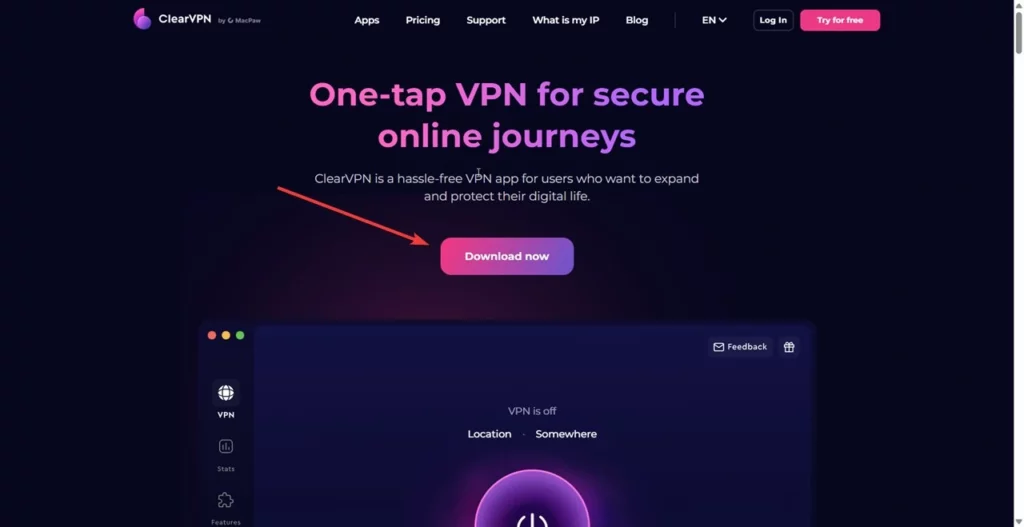
- Download and install the ClearVPN app on your computer or mobile device. The VPN app works on Windows, macOS, iOS and Android devices. If you’re on a mobile device, you can get the ClearVPN app via the App Store or Google Play store.
- Run the ClearVPN app and just click on the main button. This will automatically connect you to the fastest server available based on your location and internet speed.
- If you want to choose a specific country, click/tap on the locations at the bottom of the screen and select a server from the list of countries available. However, keep in mind that this is a premium feature and will require a subscription to use.
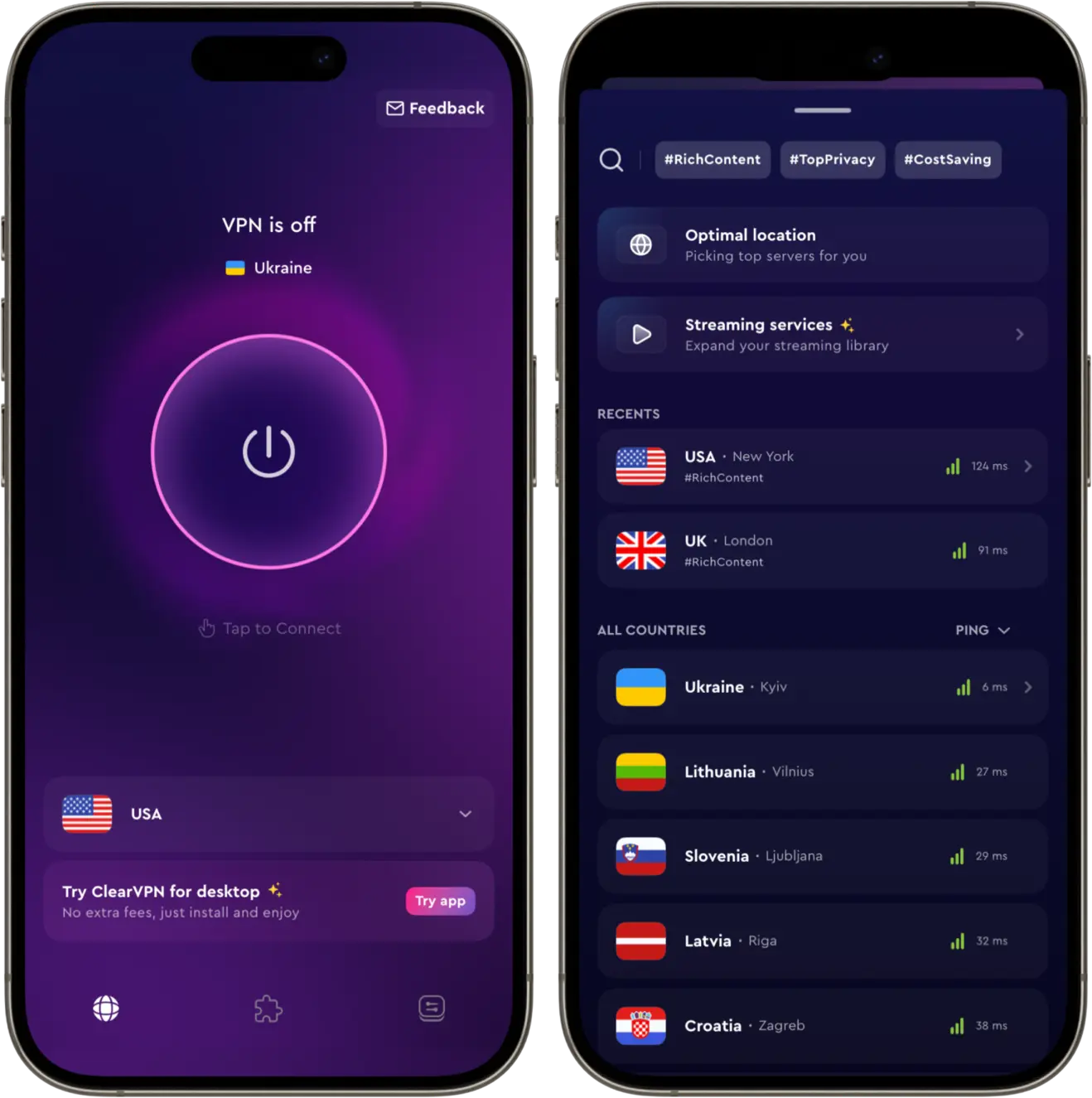
The specific steps will vary depending on the VPN service you choose, but overall, connecting to a VPN in UAE can be as simple as selecting a server and clicking the quick “connect” button.
FAQs
Can police track a VPN in the UAE?
If the VPN provider uses strong encryption and a no-logs policy, it is nearly impossible for the TDRA or other authorities to track your internet usage. However, the use of weak protocols can be flagged by ISP-level Deep Packet Inspection.
Is it legal to use a VPN for WhatsApp calls in the UAE?
Technically, WhatsApp calls are unlicensed. Using a VPN to access them falls into a gray area of the VPN UAE law, as it involves bypassing a blocked service. While this is common, use caution, as the ISPs are aggressive about blocking these protocols.
Can I be tracked if I use a VPN?
It is possible to be tracked if you use a provider with weak logging policies. However, unless you are engaged in illegal activities, the chances of being tracked by local authorities are minimal. Just ensure you remain compliant to keep your VPN legal in the United Arab Emirates.
What is BOTIM, and how does it work?
BOTIM is the government-approved VoIP app. Since most “free” calling apps are blocked, you have to pay for a dedicated internet calling plan through your ISP (e& or du) to use it legally.
Can tourists use a VPN in the UAE?
Tourists landing at DXB or AUH are subject to the same rules. Finding the best VPN for the UAE allows you to secure your hotel Wi-Fi or access work emails safely, provided that you don’t use it to commit a crime.
Are free VPNs safe to use in the UAE?
Generally, no. Most free tools lack the obfuscation needed to bypass DPI and often sell your data to third parties, which is a massive liability.