
Smartphones have become the digital keys to our banking, private conversations, and identities. In early 2026, the threat landscape has shifted dramatically, with organizations facing an average of 1,968 cyberattacks per week, a 70% increase from just 2 years ago.
Whether it is a jealous partner using stalkerware, a hacker targeting your credentials, or an employer monitoring a company device, the invasion of privacy is increasingly silent. This guide provides the technical framework to know if your phone is being tracked and the diagnostic steps to reclaim your digital autonomy.
How can someone track your phone?
Modern spyware exploits take advantage of distinct digital vectors to compromise your device. Many of these threats often exploit the very features designed for convenience or system maintenance. To accurately tell if your phone is being tracked, you need to learn about the various ways that these attacks are typically carried out.
The following are a few specific examples.
Malicious apps and spyware
Professional-grade spyware like Pegasus or consumer tools like SpyNote and mSpy often disguise themselves as benign system utilities, such as “System Update” or “Phone Manager.” It’d be impossible to know if your phone was being tracked if you were to rely on these visual markers alone.
Once installed, these applications grant attackers total access to your microphone, camera, and private messages, often operating in the background without any visible icon in the app drawer. Some advanced versions can even simulate a shutdown, known as a “NoReboot” attack, to remain active while the user believes the device is powered off.
SIM cloning and swapping
By duplicating your SIM card, an attacker can intercept your calls and 2FA (2-factor authentication) codes without ever touching your physical handset. This is particularly dangerous for financial accounts that rely on SMS-based verification.
In some instances, rogue employees at telecommunications companies have been caught facilitating these swaps for malicious actors.
iCloud and Google account access
If someone obtains your cloud credentials through a data breach or phishing, they can use built-in tools like Apple Find My or Google Find My Device to check if your phone is being monitored or tracked remotely. This method requires no malicious software installation on the physical phone, making it exceptionally difficult to know if your phone is being tracked if you rely on traditional hardware scans.
Bluetooth tracking
Nearby devices can “ping” your phone when Bluetooth is active to map your movements in specific locations, such as retail stores or office buildings. Turning off Bluetooth in public areas is a recommended step to prevent this type of proximity-based logging.
Public Wi-Fi and IP address tracking
Hackers on unsecured networks can use your IP address to log your physical location and intercept unencrypted data traffic. Using a privacy-focused VPN can help mitigate this risk by masking your IP address and encrypting your connection.
Typical signs your phone is being tracked
Spyware developers work hard to stay invisible, but the laws of hardware physics (specifically battery and data consumption) often give them away. These are the primary signs your phone is being tracked.
1. Unusual battery drain
Unusual battery drain is one of the most common ways to tell if your phone is being tracked. If you notice that your phone’s battery is running out faster than usual, it could be a sign that a tracking app is running in the background.
Spyware such as SpyNote is specifically notorious in 2026 for causing heavy background battery consumption due to aggressive persistence mechanisms. So, if you notice that your phone is losing its charge quickly, it is a good idea to check for phone tapping signs and suspicious background app activities.
How to check (iOS): Go to Settings > Battery > View All Battery Usage and look for apps consuming power when the screen is off.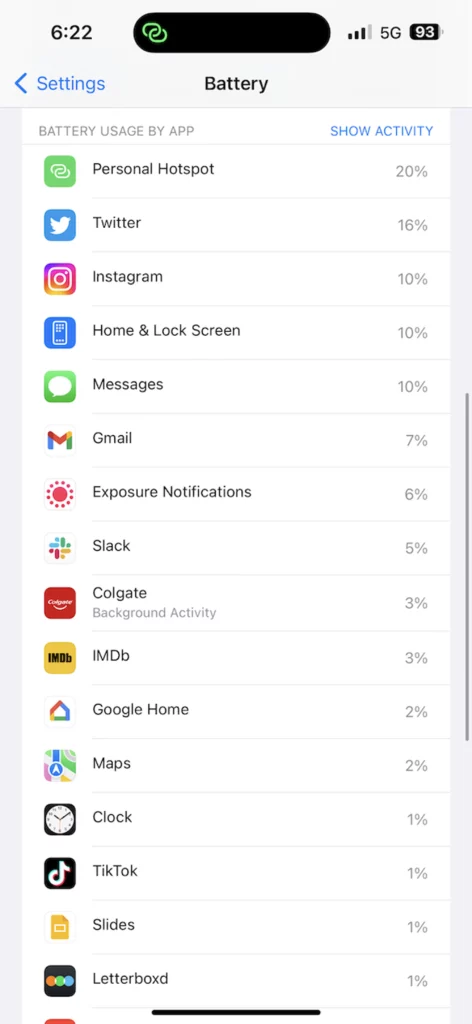
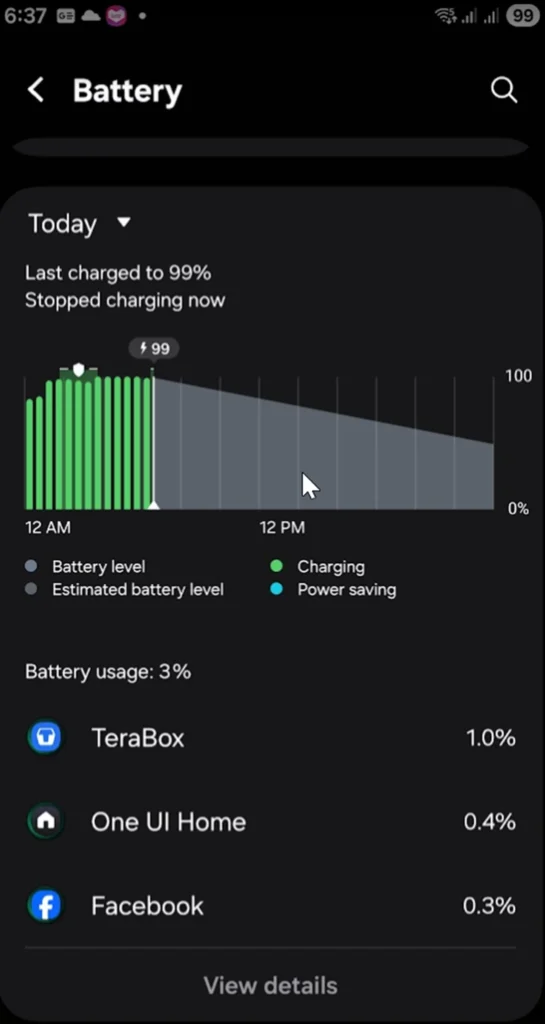
How to check (Android): Navigate to Settings > Battery and check for unfamiliar apps on the list.
2. Data usage spikes
If you notice a sudden increase in data usage on your phone, it could be a sign of your phone being tracked. Tracking apps use your phone’s data connection to send data to the person tracking you. Surveillance tools must transmit harvested logs and photos to an external server, often resulting in 50 MB–200 MB of unexplained background data per day.
If you notice that your phone is using more data than usual, you should check your phone’s data usage to see if any tracking app is consuming a large amount of data.
How to check (iOS): Open Settings > Cellular and scroll to the bottom to see app data usage.
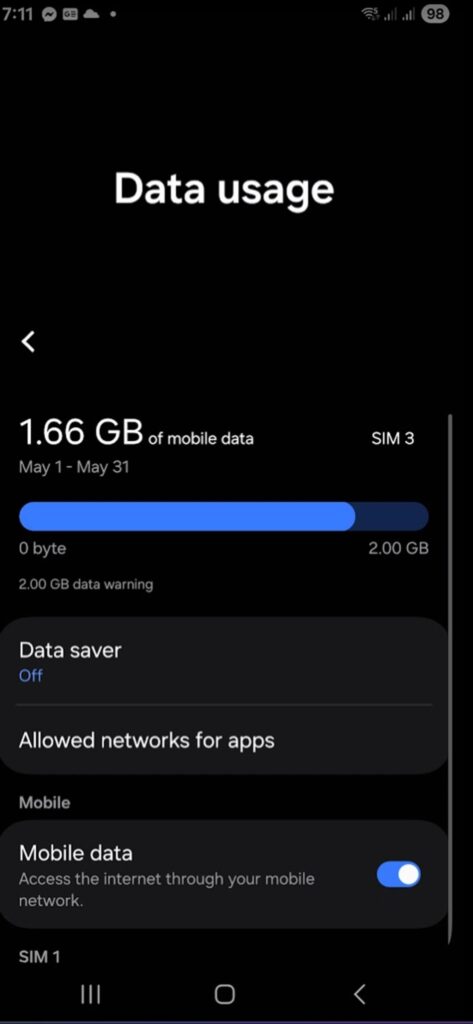
How to check (Android): Go to Settings > Connections > Data Usage. From there, you can inspect how much data the apps on your phone are using on both mobile and Wi-Fi networks.
3. Unusual background noise (the myth)
Old advice about “clicking” or “static” during calls being phone tapped signs is largely outdated in the digital era. Modern spyware intercepts audio at the software level (VoIP) rather than the physical line, meaning the “tap” is silent and digital. If you hear call noises today, it is almost certainly a localized network or hardware issue, not an indicator of surveillance.
Reliable detection has shifted from audible cues to digital markers like data spikes and unrecognized account sessions. Instead of listening for ghosts on the line, look for the technical signatures of a phone being tracked, such as unauthorized microphone privacy indicators. If you want to truly tell if your phone is being tracked, ignore the audio static and start monitoring your privacy dashboards.
4. Slow performance and spontaneous activity
If your phone’s performance has become slow and sluggish, it could be a sign that your phone is being tracked. Tracking apps use a lot of system resources, which can cause your phone to become slow and unresponsive. So, if you notice that your phone is not performing as well as it used to, it is a good idea to check for any tracking apps.
Be particularly wary of the following:
- Phone restarts or shuts down on its own: Spyware may trigger spontaneous restarts to install updates or mask its activity.
- Apps opening/closing: Attackers can launch specific apps remotely to access the camera or microphone.
5. Pop-ups and ads
If you notice that your phone is displaying pop-ups and ads more frequently than usual, it could be a sign that your phone is being tracked. Tracking apps can display pop-ups and ads on your phone to collect data or generate revenue. So, if you see more ads and pop-ups than usual, it is a good idea to check for any tracking apps on your phone.
6. High phone temperature
Another way to tell if your phone is being tracked is to start paying attention to its temperature when sitting idle or turned off. If your phone feels warmer than usual, it could be a sign that there is a tracking app running in the background.
Tracking apps use a lot of processing power, which can cause your phone to become warmer than usual. So, if you notice that your phone is unusually hot even when the screen is turned off, it’s a good idea to check for any tracking apps.
7. Unfamiliar apps
Spyware rarely appears with a recognizable icon. It may use generic names like “System Update” or “Phone Manager.” To find them, you’ll need to take a closer look at what actually registers as an app on your device:
- How to check (iOS): Check Settings > General > iPhone Storage for apps with no icon.
- How to check (Android): Go to Settings > Apps > All Apps to audit unfamiliar packages.
8. Strange text messages
If you receive strange text messages on your phone, it could be a sign that your phone is being tracked. Tracking apps can send commands and messages to your phone to control it remotely. So, if you receive any unusual or suspicious messages, it is a good idea to check your phone for tracking apps.
9. Your settings changing on their own
If location services turn on by themselves or permissions you previously revoked (like camera access) become re-enabled, it is a critical warning. Spyware frequently reactivates these permissions to maintain the status quo. It could mean your phone being tracked.
Pay close attention to your “Accessibility” settings on Android and “Profiles” on iOS. Attackers often use these deep-level settings to gain administrative control over the device, allowing them to bypass security pop-ups and re-enable tracking features you’ve turned off.
10. Your phone struggles or refuses to shut down
Malicious background processes often prevent a device from shutting down correctly. If your phone takes significantly longer to power off, it may be because a monitoring tool is attempting to finish a data upload.
Be wary of “fake shutdown” attacks like the NoReboot exploit mentioned earlier. In these scenarios, the spyware simulates a shutdown (turning off the screen and vibrations) while the operating system remains fully active. If your phone feels warm even after you think you’ve turned it off, it’s a sign that your device is compromised.
How to check if your phone is being tracked
Beyond checking for signs, you can use technical methods to check if your phone is being monitored. Such methods address blind spots that high-level monitoring tools often hide from the user interface.
USSD diagnostic codes
These are among the most effective codes phone tracking uses to verify carrier-level redirects. By utilizing unstructured supplementary service data (USSD), you can query your mobile network directly for “man-in-the-middle” diversions that don’t show up in your standard app list:
- Dial *#21#. This is your primary diagnostic for “Unconditional Forwarding.” It reveals if your calls, SMS, or data packets are being intercepted and redirected to another number before they even reach your device.
- Dial ##002#. This is the universal “Eraser” for codes used in phone tracking. Dialing this instantly flushes all carrier-based conditional and unconditional forwarding instructions, effectively cutting off any remote listener’s bridge to your line.
Privacy indicators
Since the implementation of granular hardware transparency in iOS and Android, privacy indicators have become the first line of hardware defense. Most people aren’t aware that this feature exists, yet it’s now one of the quickest and simplest ways to identify a phone being tracked:
- The dots: Modern devices display a small green or orange dot in the status bar whenever the camera or microphone is active.
- The audit: In 2026, these indicators are interactive. Tapping the dot in the Control Center (iOS) or the Privacy Dashboard (Android) will reveal the specific process ID or app name accessing the hardware. If a “System Process” is using the camera while you are on the home screen, it is a high-probability indicator of active spyware.
Audit account devices
Often, phone tapping signs are not on the handset itself, but at the cloud level. Attackers with your credentials can clone your digital environment without ever installing malware. To stop someone from tracking your phone over your Apple or Google account, you will need to carefully check your phone’s activity logs on the platform:
- Review “sessions”: Navigate to your Apple ID or Google Account security settings and audit the “Manage Devices” or “Active Sessions” list.
- Look for ghosts: Identify any device or location that doesn’t match your physical history. In 2026, look specifically for “Unknown Browser” sessions or logins from data centers (IPs belonging to AWS or DigitalOcean), which often indicate that a bot or automated scraper is harvesting your synced cloud data in real-time.
How to prevent your phone from being tracked
It is important to know if your phone is being tracked or not. The signs mentioned above can help you identify whether your phone is being tracked or not. If you notice any of the signs mentioned above, it is essential to take action to protect your privacy. Here are a few steps you can take:
- Check your phone for any tracking apps: Look through your phone’s app list and see if there are any unfamiliar or suspicious apps installed. If you find any, uninstall them immediately.
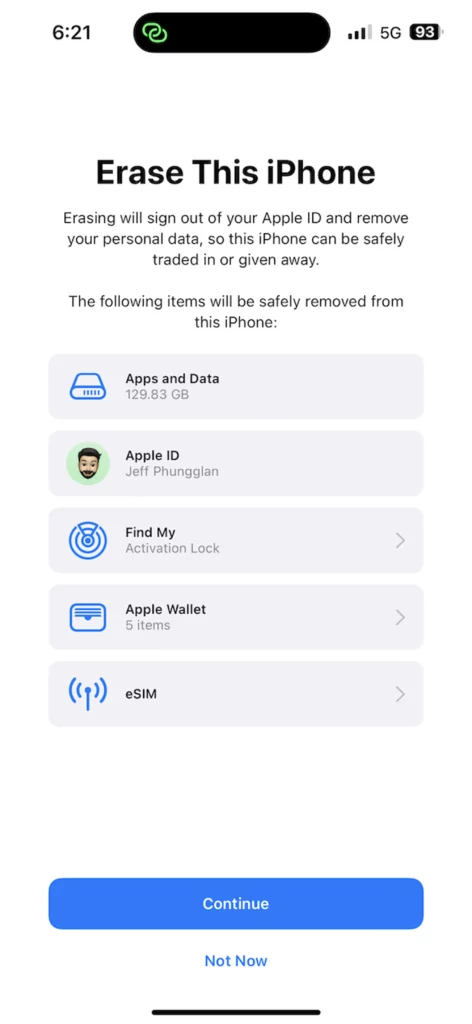
- Reset your phone to its factory settings: If you suspect that your phone is being tracked, resetting it to its factory settings can help remove any tracking apps that may be installed. However, be aware that this will erase all of your data, so make sure you backup everything before doing so.
- Install an antivirus app: Antivirus apps can help detect and remove any tracking apps or malware that may be installed on your phone. Make sure you download an antivirus app from a reputable source.
- Be cautious when using public Wi-Fi: Public Wi-Fi networks are often unsecured, and hackers can use them to gain access to your phone. Avoid accessing sensitive information like bank accounts and emails when using public Wi-Fi.
- Turn off location services: Navigate to Settings > Privacy > Location Services (iOS) or Settings > Location (Android) and audit every app on the list. If an app, such as a calculator or a basic game, doesn’t strictly require your coordinates to function, disable its access entirely.
- Review and restrict permissions: On Android, use the Permission Manager found in Settings to see which apps have access to sensitive hardware sensors. On iOS, check Settings > Privacy & Security for a similar breakdown. Pay close attention to “Accessibility” and “Display Over Other Apps” permissions; these are the vectors most frequently targeted by spyware exploits.
- Check call forwarding: Unauthorized call and SMS forwarding is a silent method of interception that doesn’t require an app on your phone. To counter this, use the codes phone tracking experts recommend, specifically the ##002# universal MMI code. Dialing this into your phone’s keypad sends a command directly to your cellular carrier to flush all active conditional and unconditional forwarding instructions.
- Disable Bluetooth: We often leave Bluetooth on for convenience, but in 2026, proximity-based logging is a major privacy threat. Retailers, hackers, and even some stalkerware use Bluetooth “beacons” to log your location whenever your signal is in range. To stop someone from tracking your phone, you need to make sure that you turn these connections off when you’re not actively using it.
- Keep software updated: Your operating system’s security patches are your first line of defense against the “zero-click” exploits used by high-end spyware. Enable Automatic Updates and install security-specific “Rapid Security Responses” as soon as they are released.
- Use advanced security: If you suspect a deep compromise, use specialized tools to verify if your iPhone has been hacked.
- Use a VPN: A virtual private network (VPN) encrypts your internet traffic and helps protect your privacy online. When using a VPN, your online activity is hidden from your internet service provider and anyone else who may be trying to track you. ClearVPN is an ideal choice for all of this. You can download and try it for free here.
The signs that your phone is being tracked can be easy to miss, but it is crucial to pay attention to them and take action if you notice any of them. If your phone is being tracked, your personal information, including your location, contacts, and online activity, can be accessed by someone else without your knowledge or consent. This can be a serious threat to your privacy and security, so it’s essential to take steps to protect yourself.
Remember, being proactive in protecting your phone can help prevent potential damage to your privacy and security in the long run. If you’re interested in how to protect your phone from hackers and cyber threats, check out our great post here.
FAQ
Can someone track my phone without me knowing?
Yes. Third parties can track your phone without your knowledge through spyware and other unscrupulous methods that run in the background.
How can I stop someone from tracking my phone?
To put a stop to phone tracking, you should keep your phone’s software updated, refrain from installing strange apps on your phone, and consider using a privacy-focused VPN (Virtual Private Network).
How do I know if someone is tracking my location?
Some tell-tale signs of phone tracking include unusual battery drain, unexplained data usage, and a noticeable reduction in device performance. For example, your phone might run unusually slow or give unfamiliar errors.
If I turn my phone off, can someone still track me?
Technically, most tracking stops the moment you turn off your device. However, advanced “NoReboot” attacks can simulate a shutdown while the tracking remains active in the background.
Will turning on airplane mode hide my location?
Partially. It stops cellular triangulation, but the phone’s GPS chip can still log your movements locally to be uploaded once you reconnect to a network.
Does someone need physical access to my phone to track me?
Not necessarily. While physical access makes installing “stalkerware” easier, high-level spyware can be delivered remotely via malicious links or zero-click vulnerabilities.
Can someone spy through my phone’s camera remotely?
Yes. Modern spyware can activate your front or rear camera without triggering a preview on your screen. Always monitor your OS-level privacy indicators for unauthorized activity.